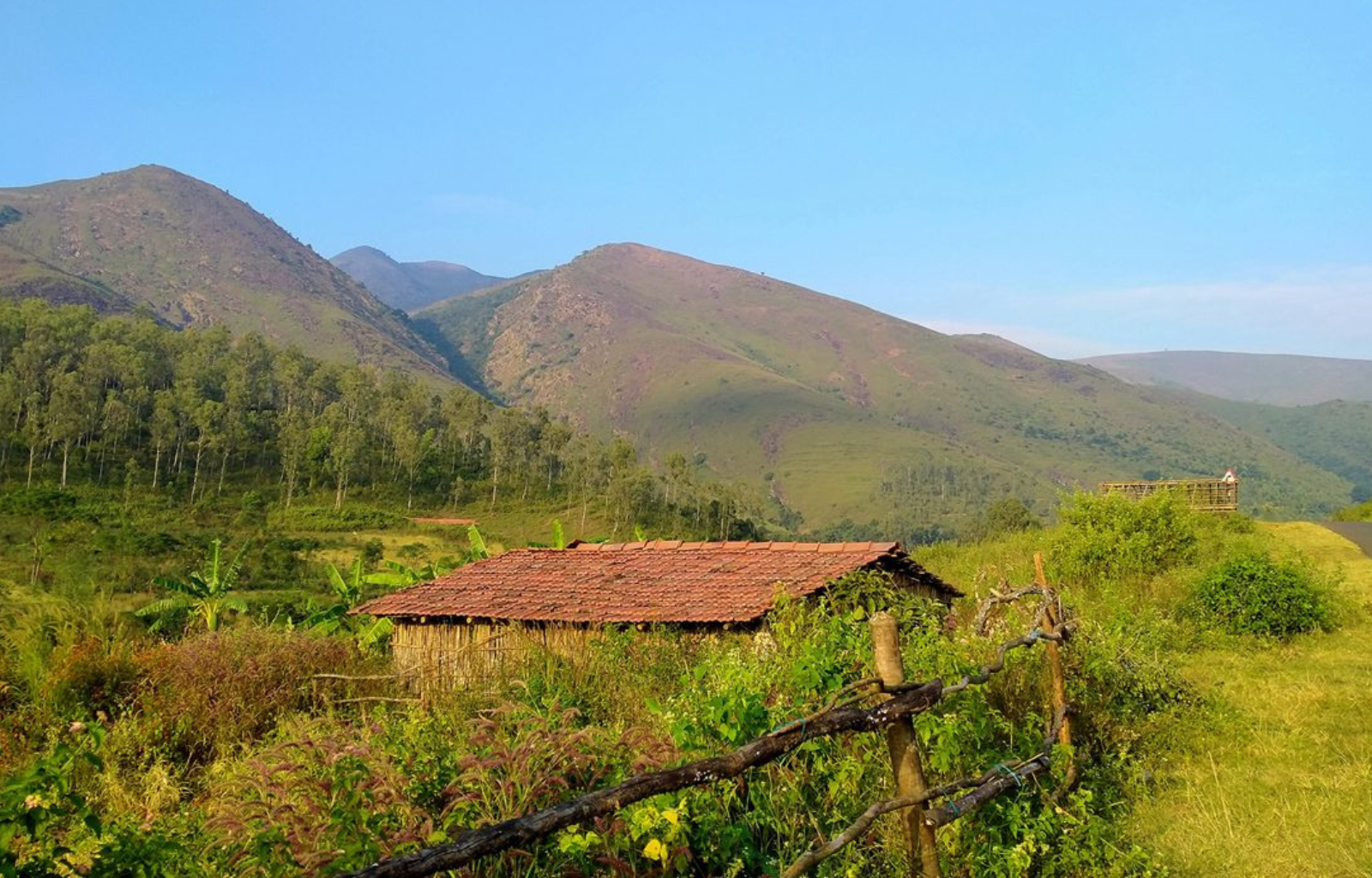
Nestled in the southern highlands of Odisha, Koraput is a hidden gem that offers a rare blend of untouched natural beauty and rich tribal culture. Surrounded by verdant hills, cascading waterfalls, lush forests, and vibrant local communities, Koraput is a soulful escape for travellers looking to unwind in nature and immerse themselves in authentic rural life. With its cool climate, scenic landscapes, and deep-rooted traditions, Koraput stands as one of Odisha’s most enchanting offbeat destinations.
A Natural Wonderland

Koraput is a part of the Eastern Ghats and sits at an elevation of around 3,000 feet above sea level. This gives it a pleasant climate throughout the year, making it ideal for eco-tourism and nature retreats.
- Deomali – Odisha’s Highest Peak
Located about 60 km from Koraput town, Deomali is the highest peak in Odisha and offers breathtaking panoramic views of the surrounding valleys. A hotspot for trekking and photography, Deomali is often shrouded in mist, adding to its mystic charm. - Duduma Waterfall
One of the most spectacular waterfalls in the region, Duduma plunges from a height of 157 meters, dividing itself into twin falls. It is formed by the Machkund River and lies near the Odisha-Andhra Pradesh border. The area is ideal for picnics, short hikes, and nature photography. - Kolab Dam
A peaceful reservoir set amidst rolling hills, Kolab Dam is a popular weekend destination for locals and visitors alike. Boating on the tranquil waters and picnicking on its banks are popular activities, and the sunset views here are unforgettable.
Cultural and Spiritual Heritage

Koraput is home to several tribal communities, including the Parajas, Bhumias, and Gadabas, whose lifestyles, festivals, and crafts reflect a deep connection with nature. The Tribal Museum in Koraput town offers insights into their culture, showcasing traditional clothing, tools, musical instruments, and art.
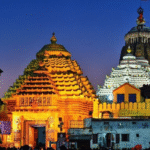
Sabara Srikhetra, a Jagannath temple in Koraput, is unique in that it is open to all, irrespective of caste, creed, or religion. This inclusive spiritual site symbolizes equality and devotion, making it a must-visit for spiritual seekers.
The region also celebrates vibrant local festivals like Parab, a cultural festival of tribal dance, music, and food that attracts thousands of people every year.
Coffee Plantations and Eco-Tourism
Koraput is gaining popularity for its organic coffee plantations, managed mostly by tribal cooperatives. The lush plantations not only provide livelihood to the local communities but also offer opportunities for agro-tourism. Visitors can explore these plantations, interact with growers, and even taste freshly brewed local coffee.
Eco-tourism initiatives in Koraput focus on promoting sustainable travel, supporting tribal artisans, and preserving the region’s ecological balance. It’s a perfect destination for those seeking meaningful, responsible travel experiences.
Getting There
Koraput is well connected by road and rail. The Koraput Railway Station links it to major cities like Visakhapatnam and Bhubaneswar. The nearest airport is in Jeypore (about 25 km) or Visakhapatnam (about 200 km). Local transport includes taxis, autos, and buses that connect visitors to nearby attractions.
Best Time to Visit
The best time to visit Koraput is between October and March, when the weather is cool and perfect for exploring the outdoors. Monsoons turn the region lush green, but heavy rains may affect travel to remote areas.
Conclusion
Koraput is not just a destination—it’s an experience. A place where hills meet heritage, waterfalls echo tribal songs, and the air carries the scent of wild blooms and fresh coffee. For travelers seeking a soulful escape into untouched nature and living culture, Koraput promises serenity, authenticity, and a deep connection with the land and its people. This hidden corner of Odisha is truly worth the journey.